
Boat and Motorcycle Insurance
Boat Insurance in Kingsland: A Before-the-Launch Checklist
Before launching, review the boat, operators, equipment, liability and assistance details on your actual insurance proposal.
TXPAGES Team4 min read
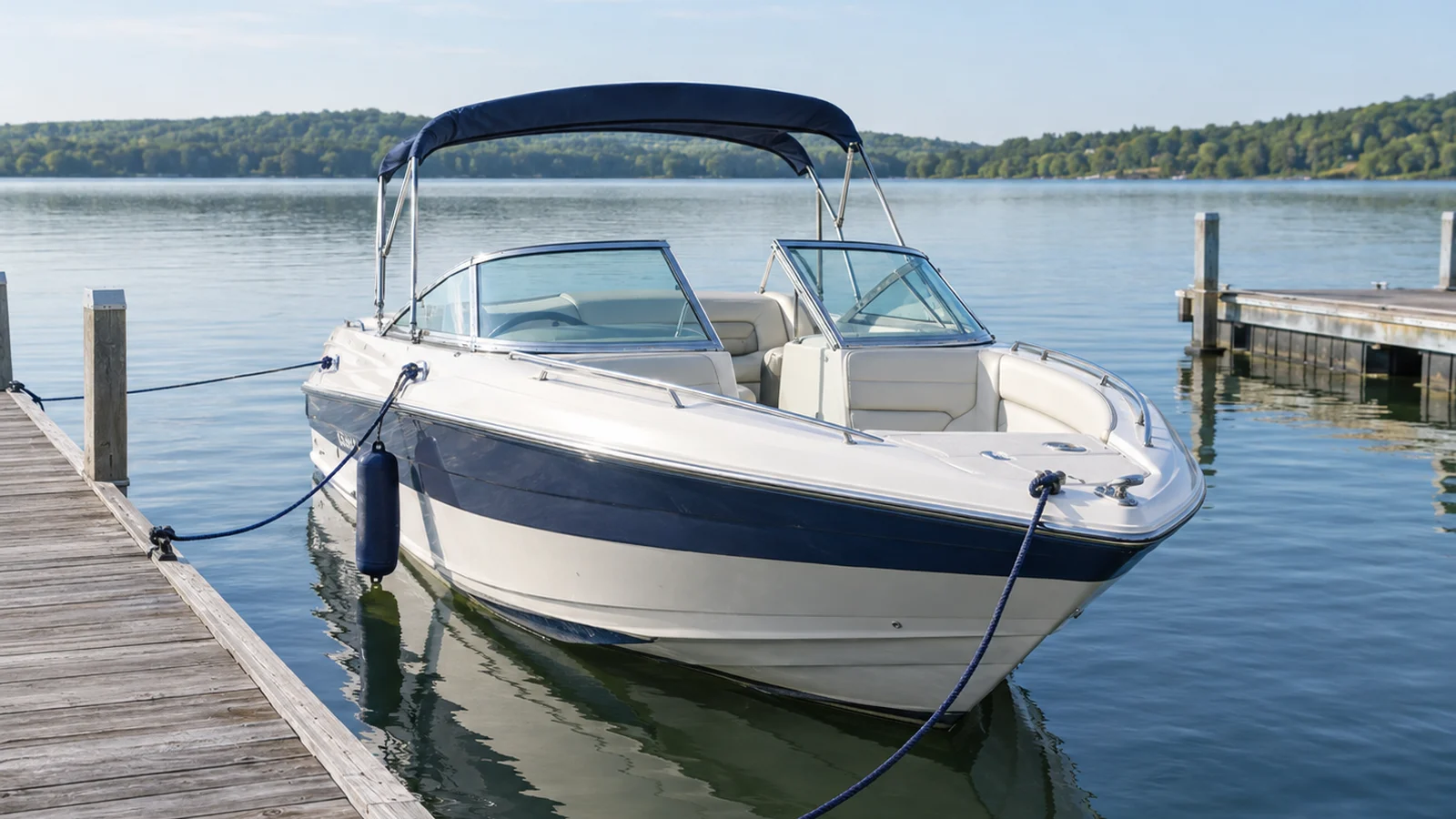
Boat insurance in Kingsland is worth reviewing before the next launch, especially if the vessel, equipment or way you use it has changed. Bring the current policy and an updated boat-information list instead of assuming last year’s coverage still matches this year’s plans. Grissom Insurance Group lists boat coverage, liability, accessories and assistance among the subjects its agents review (boat and motorcycle insurance).
Grissom has a Kingsland office, and its specialty page specifically discusses the Highland Lakes boating community (office details, Highland Lakes specialty services). Use this checklist to prepare for the conversation without treating it as a guarantee about a particular marina, vessel or accident.
Start your Kingsland boat insurance review with the vessel
Write down the make, model, year, propulsion details and any recent changes. Include the trailer and installed equipment as separate questions so the agent can tell you how each item is handled. If there is a loan, bring the lender’s insurance requirements and ask the agent to compare them with the proposal.
Use photographs to help describe the boat and accessories, but keep serial numbers and other sensitive details for the appropriate agency process. An accurate description is more useful than an estimated value with no supporting explanation.
Describe how and where you intend to use it
Tell the agent about your planned use, storage arrangements and operators, including any activity that differs from ordinary private recreation. Ask about the actual navigation area and restrictions shown by the insurer. Do not assume a general label such as “boat insurance” covers every waterway or use.
Grissom’s specialty coverage page separates physical damage, liability, gear and assistance topics. Request written answers for the offered policy so those broad service descriptions become specific information you can use.
Bring this before-launch worksheet
| Item | Information to bring | Question for the agent |
|---|---|---|
| Vessel | Current description and policy | Does the proposal identify the right boat? |
| Operators and use | Who operates it and how it is used | What restrictions or conditions apply? |
| Equipment | Installed accessories and portable gear | Which items are included, scheduled or limited? |
| Trailer | Trailer details and existing coverage | How is the trailer handled? |
| Liability | Current limits and intended activities | What options fit the actual use? |
| Assistance | Existing benefit details | What service, limit and conditions are included? |
The worksheet is a way to organize a review, not proof that every listed benefit is included. Mark each unanswered item and resolve it before selecting the proposal.
Distinguish insurance from an assistance arrangement
Grissom lists towing and on-water assistance as options to discuss, along with policy features for gear and accessories (specialty service details). Ask whether any proposed assistance is included, optional or separately arranged, and who to contact when help is needed.
Keep the final contact instructions accessible with your boating documents. Review any limits, eligible situations or service areas rather than assuming “assistance” means unlimited help in every circumstance.
Review changes before relying on the policy
Tell the agent about new electronics, different storage or a change in how the vessel will be used. Ask for confirmation of whether the existing policy needs an update and when any approved change takes effect. Do not treat a message requesting a change as confirmation that the insurer has accepted it.
For example, a hypothetical owner who installs new equipment should ask how it is described and valued rather than assuming the original vessel limit increased automatically. This is a planning example, not a statement about your policy.
Use an equipment change as a review trigger
Imagine a hypothetical owner who added electronics and changed the boat’s storage location after purchasing the current policy. Start with a list of the changes, when they occurred and the available supporting records. Ask whether the vessel description, equipment information or storage details need an insurer-approved update.
Then ask a separate assistance question: which provider or insurer contact should be used if help is needed? Keeping equipment, storage and assistance in separate lines avoids a vague “is everything covered?” conversation. Finish by requesting the accepted documents and effective date rather than assuming the initial call changed the policy.
Questions Kingsland boat owners ask
Does homeowners insurance answer every boating question?
Grissom’s specialty page warns that standard home or auto policies do not cover all boat-related risks (boat coverage discussion). Ask about the vessel specifically.
Are fishing gear and electronics always included?
Ask about the exact items, limits and conditions. Grissom identifies gear and accessories as a review topic, not an identical benefit on every policy (accessories information).
What should I bring before the first policy discussion?
Bring vessel details, intended use, current policy information and a list of equipment. Keep uncertain details marked for follow-up.
Should I ask about winter storage now?
Yes, put seasonal storage and any lay-up conditions on the question list. Grissom specifically discusses seasonal coverage (seasonal boat options).
Can a quote confirm I am ready to launch?
A quote alone should not be your coverage confirmation. Ask for the accepted policy, effective date and any requirements before relying on it.
Call the Kingsland office
Contact Grissom’s Kingsland office at (325) 388-4934, listed at 425 Ranch Rd #2900 (agency contact page). Review the boat and motorcycle services and prepare your vessel list before calling.
This article is general education, not boating-safety instruction or a binding insurance recommendation. Available coverage and claim outcomes depend on the actual insurer’s policy, underwriting and applicable conditions.