
RV Insurance
RV Insurance in Burnet: Weekend Trips or Full-Time Use?
Before choosing an RV policy, describe the vehicle, living arrangements, travel use, accessories and belongings accurately.
TXPAGES Team4 min read
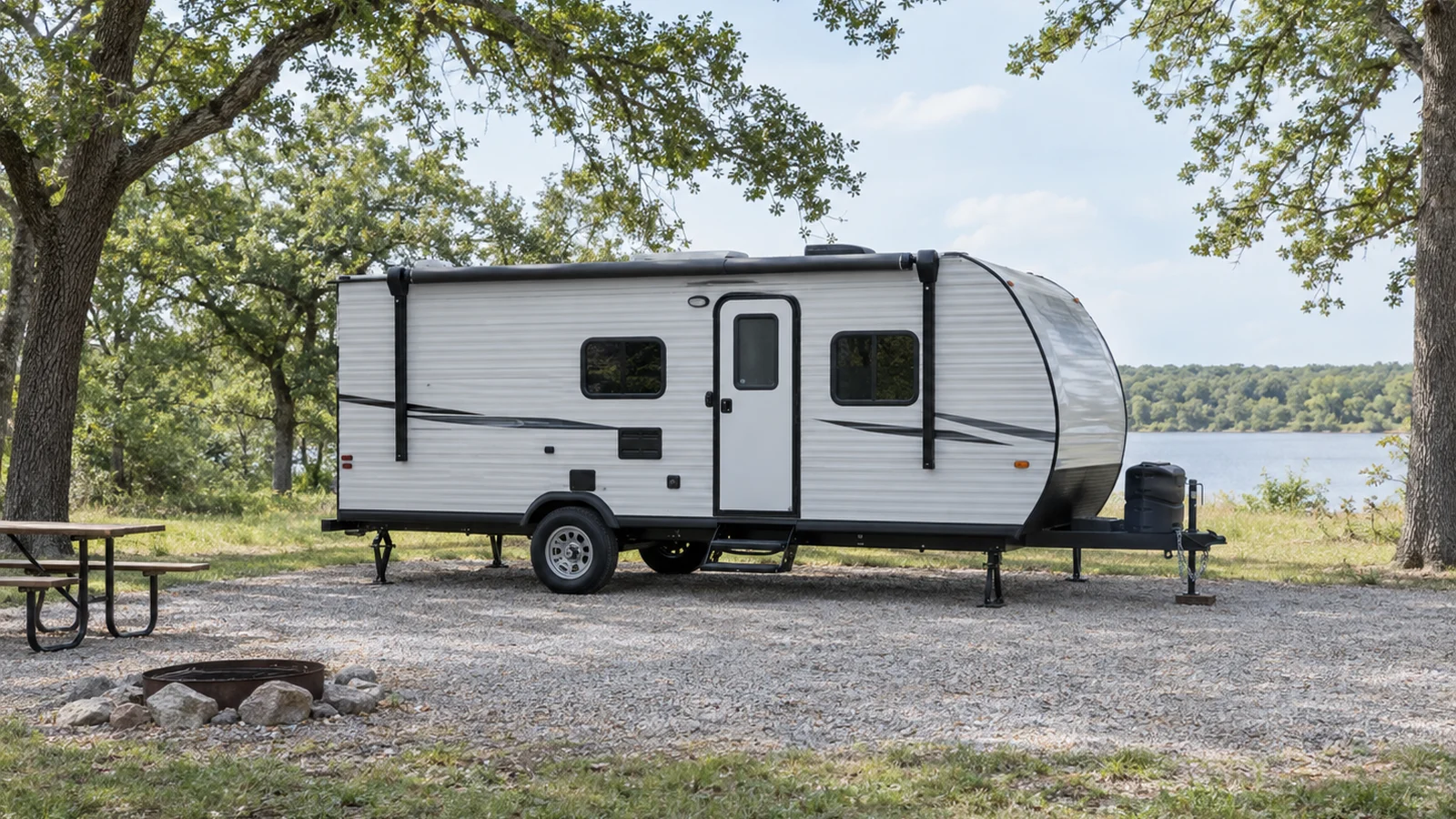
RV insurance in Burnet starts with a clear description of the rig and how you use it. A weekend camper, travel trailer and full-time motorhome household should not all begin the conversation with the same assumptions. Grissom’s RV page distinguishes occasional vacation use from full-time living and lists motorhomes, travel trailers and campers among the vehicles it helps insure (RV insurance services).
Burnet is served through Grissom’s Kingsland office (Burnet service area). Before the next trip, bring your actual use and equipment information to the agent rather than selecting a proposal from a broad product label.
Describe the use behind your Burnet RV insurance request
Write down whether the RV is used for occasional trips, extended stays or full-time living. Include the normal storage location and any planned change. If you are not sure how the insurer classifies your use, describe it in ordinary language and ask the agent to explain the applicable category.
Grissom states that policies differ for full-time living and occasional vacation use (RV use distinctions). Ask about the offered policy’s requirements and restrictions instead of assuming one policy automatically works for both.
Identify the vehicle and towing arrangement
Bring the model, year and configuration, plus details of any towing vehicle or separate trailer involved in your plans. Ask which policy addresses each part of the arrangement and how the offered coverages coordinate. Keep the answer in writing so you can revisit it if you change vehicles.
For example, a hypothetical owner planning to move from a trailer to a motorhome should request a fresh review rather than assuming the old proposal transfers unchanged. This is a decision example, not a statement about any insurer’s approval.
Organize the review with this worksheet
| Topic | Detail to bring | Question to ask |
|---|---|---|
| RV type | Motorhome, trailer or camper details | Is the right vehicle described? |
| Use | Trips, extended stays or full-time living | What classification and conditions apply? |
| Storage | Location and seasonal plans | Does the proposal reflect the actual arrangement? |
| Accessories | Awnings and attached equipment | Are items included or separately listed? |
| Belongings | Property normally kept inside | What limits and exclusions apply? |
| Assistance | Current benefit information | What help is actually included or optional? |
Mark unknown answers and follow up before deciding. Keep a copy with your policy information rather than treating the quote summary as a complete coverage explanation.
List accessories separately
Grissom identifies awnings, satellite equipment and attachments as items that may need to be specifically listed (RV accessory review). Bring an updated list and ask how the policy handles each item, including any documentation the insurer needs.
Do the same for belongings normally stored inside. Avoid assuming that a vehicle value automatically includes everything you carry with it; ask the agent to identify the proposed limits and conditions.
Ask what happens when plans change
Before changing from weekend trips to extended or full-time use, tell the agent what is changing and ask whether a policy update is necessary. Get confirmation of the accepted change and its effective date. Use the same process for a new storage arrangement or significant attached equipment.
Grissom lists physical damage, liability and personal belongings as separate RV coverage subjects (RV coverage overview). A useful review should explain those features separately rather than saying only that the RV is “insured.”
Compare two travel plans, not just two prices
Suppose a hypothetical owner currently takes short trips but is considering an extended stay that could become full-time living. Describe both the current arrangement and the possible change to the agent, including where the rig would be kept and what belongings would be carried. Ask which options are appropriate for each plan before comparing proposals.
Keep the difference in use visible on the worksheet. If a proposal was prepared for occasional travel, do not reuse its price or benefits as the answer to a different living arrangement. Request the insurer’s decision and update instructions for the plan you actually choose.
Questions Burnet RV owners ask
Does every RV policy fit full-time living?
Grissom specifically distinguishes full-time and vacation use (RV policy selection). Ask about the classification on the actual offer.
Is a travel trailer the same discussion as a motorhome?
Describe the actual vehicle and towing arrangement. Have the agent explain the relevant policy coordination rather than using the terms interchangeably.
Should I list an awning or installed equipment?
Yes, include attachments in your review list. Grissom identifies them as items worth checking (accessory considerations).
Can I assume belongings inside are fully protected?
Ask about the actual personal-property limit and exclusions. Grissom lists belongings coverage as a distinct review topic (personal belongings coverage).
Will an inquiry immediately update my existing policy?
Do not assume that it will. Request confirmation of any insurer-approved change and when it takes effect.
Discuss the rig with the Kingsland office
Call (325) 388-4934 for Grissom’s Kingsland office, which serves Burnet (Burnet contact routing). Bring your current documents and a description of the trip or living arrangement you want to review.
This article is general education, not an individualized coverage determination or road-safety instruction. The actual policy, underwriting, exclusions and effective dates govern the offered coverage.